
The article analyses the barriers and facilitators that shape the social participation of people with disabilities in Spain, based on the PARTICIPA research project. From the social model of disability and through a participatory methodology, the study collects and analyses the contributions of the project’s Reference Group, made up of people with disabilities, who discussed previous findings on employment, leisure and mobility. The findings show that participation remains limited by physical, attitudinal and institutional barriers linked to ableism. In the field of employment, the main issues include difficulties in accessing work, the lack of reasonable accommodations, uncertainty about the compatibility between disability benefits and employment, and the need for accessible legal advice. In leisure, accessibility problems are identified in cultural spaces, tourist activities, accommodation and parking areas. In terms of mobility, limitations in public and private transport also affect access to other areas of social life. In addition, the lack of accessible housing and support for independent living emerge as further issues. The article concludes that ensuring equal participation requires universal accessibility, personal assistance, effective public policies and a cultural shift based on human rights.
News
A Person-Centered Approach to Type-D Personality, Resilience, and Self-Efficacy: Associations With Social Participation Among People With Disabilities
Independent living, emotional well-being, and quality of life in people with disabilities: the mediator role of self-determination and satisfaction with participation
The main conclusion of the study is that the level of independent living, self-determination and satisfaction with participation are fundamental aspects to promote a high quality of life and emotional well-being of people with disabilities. These findings have significant implications for health and social services as well as public policy guidelines, highlighting the need to prioritize empowerment and self-determination in all interventions designed for people with disabilities.
Barriers in the interpersonal relationships of people with disabilities. Testimonials from participants of the PARTICIPA project
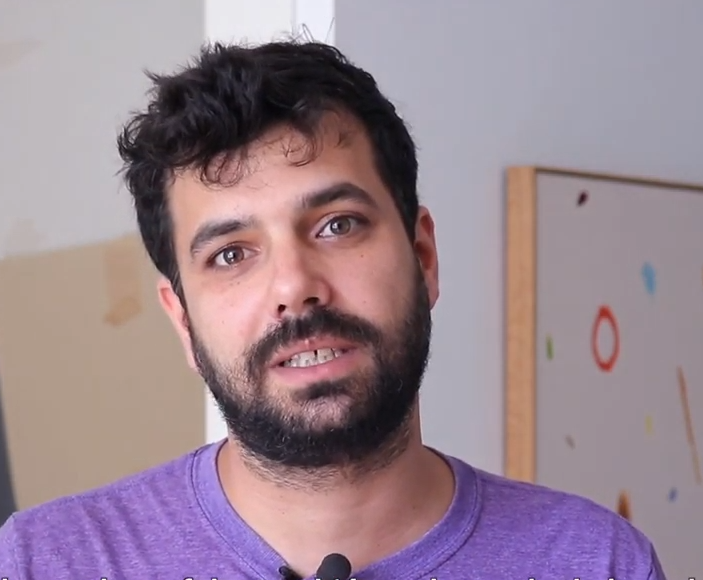
Bob Pop, escritor
Testimonio de Bob Pop, escritor.
“Yo en esta casa, para venir a vivir aquí, tuve que sacrificar el presupuesto que tenía para alquilar una casa al mes y pagar algo más para que pudiera ser una casa en la que pudiera estar cómodo.
Entonces hay muchísimas barreras económicas. Desde qué clase de vivienda puedes alquilar, desde cómo te mueves por la ciudad… Es verdad que hay acuerdos con el ayuntamiento para tener taxis adaptados baratos y demás, pero no son fáciles de conseguir, no son de un momento para otro… Y luego las viviendas. Que por mucho que nos vendan que son viviendas adaptadas… Yo por ejemplo ahora te hablo de una casa en la que llevamos un año. Estuvimos 6 meses buscando casa. Incluso casas, viviendas de nueva construcción que te prometían que eran adaptadas. Ni el ancho de las puertas era adaptado, ni el ángulo de las rampas era el correcto… Yo para entrar en mi casa no podía entrar por el portal principal sino por el garaje, porque era el que tenía rampa. Y casas recién construidas y que te vendían como eso.
Yo tengo la suerte de que me pagan bien por mi trabajo y me puedo permitir ciertas cosas que no todo el mundo se puede permitir. Con lo cual no podemos forzar a la gente a “venga, sé tú mismo, hazlo todo”. No, porque eso también cuesta dinero y cuesta una lucha que mucha gente no tiene por qué llevar a cabo porque no la tiene que hacer ni él ni ella; la tienen que hacer las instituciones para que en realidad construyamos una sociedad muchísimo mejor porque esa integración de las personas discapacitadas también tiene que ver con que todo sea más fácil.
Porque si no, realmente estamos creando una sociedad en la que hay un corte. Hay un corte muy claro. No solo de capacidad-discapacidad, sino un corte económico de clase. Y eso me parece que es bastante nazi.
Vale, y ahora después de todo este rollo, ¿para qué estoy yo aquí? Para pedirte que tú como persona discapacitada te registres en el proyecto PARTICIPA. Y ahí cuentes lo que te hace falta a ti de verdad, cuáles son tus problemas. No lo que los demás dicen desde fuera que son tus problemas, cómo hay que adaptarte la vida. No, cuenta tú con qué obstáculos te encuentras. Físicos, sociales, económicos. Entra en PARTICIPA y cuéntanoslo. Es facilísimo. Yo he rajado muchísimo… ¿No vas a entrar tú aquí a participar?“
Los sitios web del sector público deben ser accesibles en la UE
Los sitios web de los organismos del sector público deben ser accesibles desde este miércoles en toda la Unión Europea en virtud de la Directiva (UE) 2016/2102 del Parlamento Europeo y del Consejo, de 26 de octubre de 2016, sobre la accesibilidad de los sitios web y aplicaciones para dispositivos móviles de los organismos del sector público.
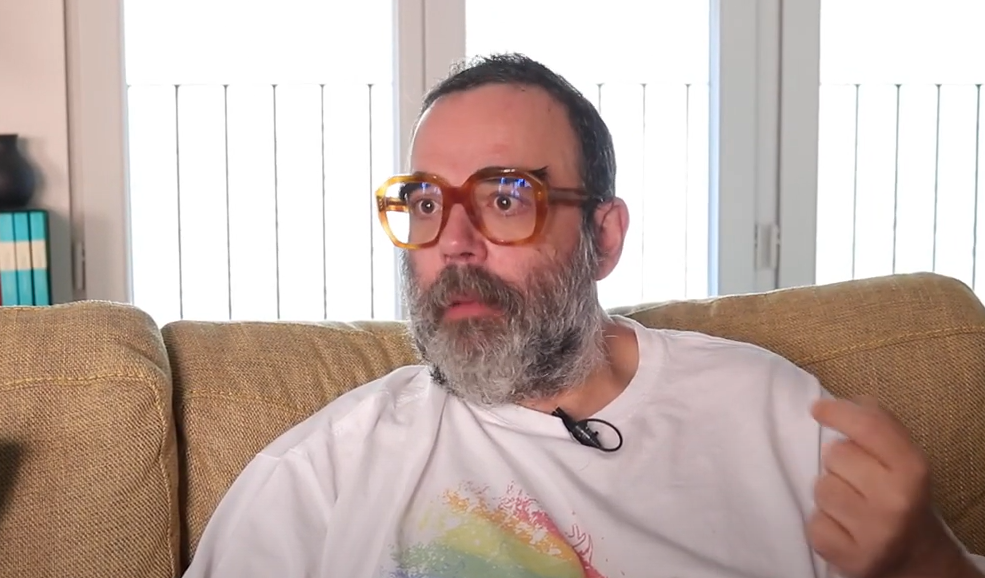
Ruben Wagensberg, polític i activista
Testimoni del polític i activista Ruben Wagensberg pel projecte.
Barreres que impedeixen l’accés a l’assistència sanitària
Search
Recent posts
- Barriers and Facilitators to the Social Participation of People with Disabilities in Spain 25 June 2026
- A Person-Centered Approach to Type-D Personality, Resilience, and Self-Efficacy: Associations With Social Participation Among People With Disabilities 25 June 2025
- Independent living, emotional well-being, and quality of life in people with disabilities: the mediator role of self-determination and satisfaction with participation 21 December 2023